Success Through Partnerships – Mika Joensuu from Palax Shares How TP Silva Builds a Strong Global Reseller Network
At TP Silva, we’re proud to bring the world’s leading firewood processing solutions to a global market. With four distinguished brands under our umbrella, we deliver top-tier quality and innovation to customers worldwide. Our commitment to excellence in international sales and marketing ensures that we meet the diverse needs of the markets we serve, making TP Silva a true leader in the field.
In this exclusive interview, we’re talking to Mika Joensuu from Palax, one of our key brands, to dive into the nuances of global distribution and the exciting future of firewood processing equipment.
My name is Mika Joensuu. I’m a 49-year-old family man from Finland, though I’ve been living in France for over 15 years. I grew up not far from the Palax factory where my father ran an agricultural machinery store. It was there, back in the 1990s, that I sold my first Palax machines to local farmers.
Later, I joined Piippo, a Finnish manufacturer of baling net wrap and baling twine, where I spent nearly 20 years developing export sales. Over time, we built a distributor network spanning nearly 40 countries. Many of the importers and clients I met during those years were also involved in the firewood business, as agriculture and forestry often go hand in hand.
– How long have you been involved in the firewood processing industry?
I’ve been responsible for the export sales of Palax firewood processors for nearly four years now. But as I mentioned earlier, I wasn’t entirely new to firewood processors before that either.
– From your perspective, what makes TP Silva’s firewood processors stand out in the market?
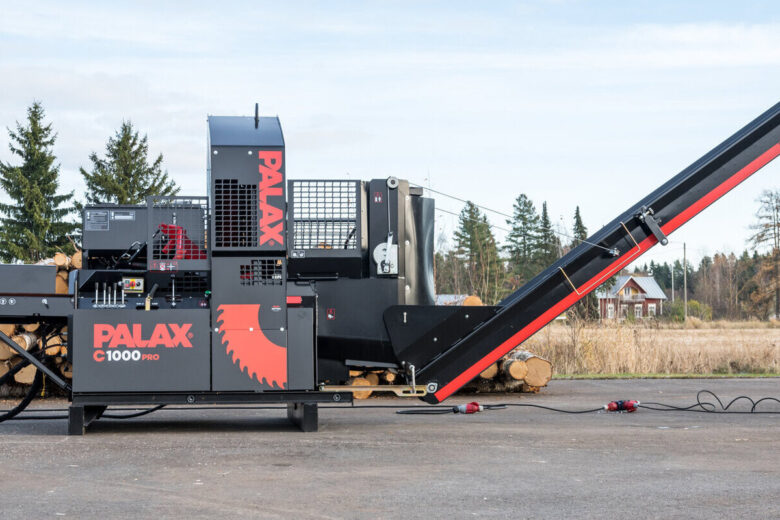
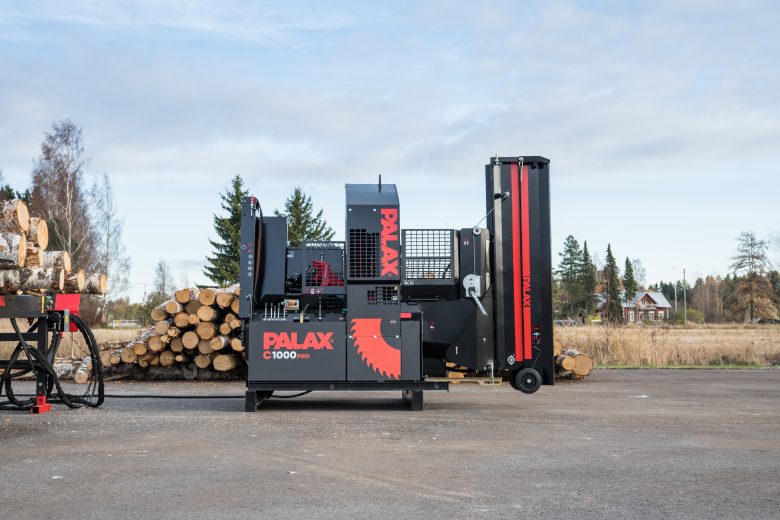
With a strong 70-year history and exceptional durability, Palax machines have earned a reputation that truly stands the test of time. Wherever I travel, I continue to meet customers who are still using the same reliable Palax machine they bought 10, 20, or even 30 years ago — and it’s still getting the job done!
Another major strength is the speed and efficiency of the Palax circular saw models, which take productivity to a whole new level. These machines are built not just to last, but to perform.
– How do you see the demand for these machines evolving in different countries?
The trend is clearly shifting toward larger, more powerful machines, as firewood production becomes increasingly specialized and professional. Customers continue to prioritize speed, durability, and productivity — and that’s exactly where Palax delivers.
– Can you explain how TP Silva utilizes a global reseller network?
TP Silva has a unique history of operating three separate factories and development teams for its three brands: Palax, Japa, and Hakki. This structure has allowed each brand to develop its own identity and strengths, making them clearly distinguishable from one another. It also enables TP Silva to work with different distribution partners for each brand within the same country — without necessarily competing for the same customers.
In general, all three brands benefit from long-term partnerships with their distributors. These relationships make collaboration smoother across product development, marketing, and customer support.
What are the benefits of working through resellers rather than direct sales?
Long-term reseller partners have deep knowledge of their local markets and understand their customers’ needs better than anyone. They can also provide fast, localized aftersales support — which is crucial in this industry. This setup allows TP Silva to focus more on product development and manufacturing. At the same time, it’s important to engage directly with end users in different countries to gather feedback and ideas that help guide future product development.
– What types of customers are most interested in these products in your market?
The types of customers interested in firewood processors vary significantly by country. In Western and Central Europe, the market is largely made up of specialized firewood producers. In contrast, in Scandinavia and Finland, farmers often produce firewood during the winter months as part of their seasonal work. The type of wood also differs regionally. Softwood is more common in the Nordic countries; Hardwood dominates further south. This variation directly affects the size and power requirements of the machines used in each market.
– Are there any notable trends or shifts in what customers are looking for in firewood processing equipment?
The main trend is a clear shift toward larger machines capable of handling bigger wood diameters. Customers are increasingly looking for complete solutions — from log decks to cleaning and packaging systems. As the end clients are increasingly buying firewood from supermarkets and hardware stores, stable quality and cleanliness becomes more important.
– Any advice or insights you’d like to share with the LinkedIn audience about the future of the firewood processor market?
Firewood processors are gradually integrating computerized and data-driven technologies, which will play a growing role in the future. These innovations will help improve efficiency, traceability, and user experience — making them an important area to watch. At the same time, we’re continuously expanding our global reseller network. If you’re interested in representing Palax firewood processors in your country, don’t hesitate to reach out to Mika Joensuu at mika.joensuu@tpsilva.fi.
Export Manager Mika Joensuu
See also